
If you work in SEO long enough, you learn two things.
One: caffeine is a strategy.
Two: whenever your rankings suddenly look like they are practicing parkour, everyone blames a core update.
That was exactly the mood in November 2025.
Clients messaged us asking why their Google search ranking charts looked like a graphic equaliser. Twitter turned into a live stream of panicked SEOs. Even the experts waited for Google Search Central to drop an official confirmation.
And at SEOBoost, we watched the shifts hit even earlier.
Our clients saw movement in search results starting in October. Nothing dramatic, just enough to make us raise an eyebrow.
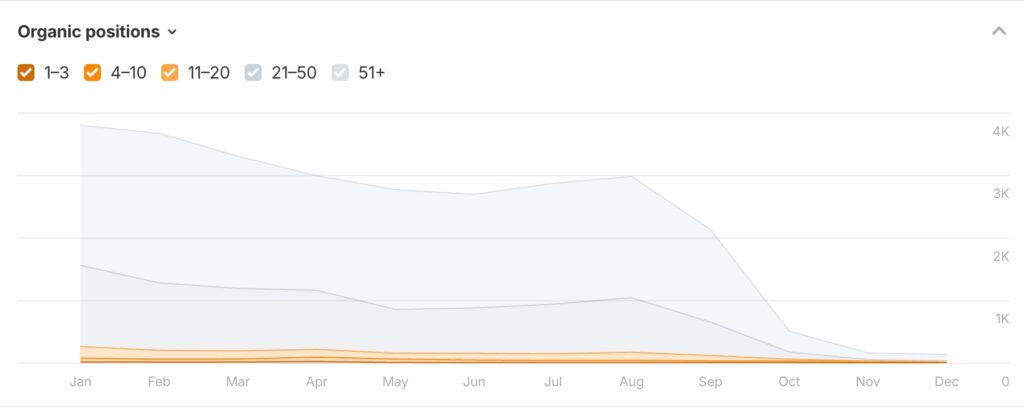
So when November 2025 Google volatility kicked in, we thought the same thing anyone would think.
Here comes another core update.
But here is the twist.
Google Search Central never announced one.
And that is where the real story begins.
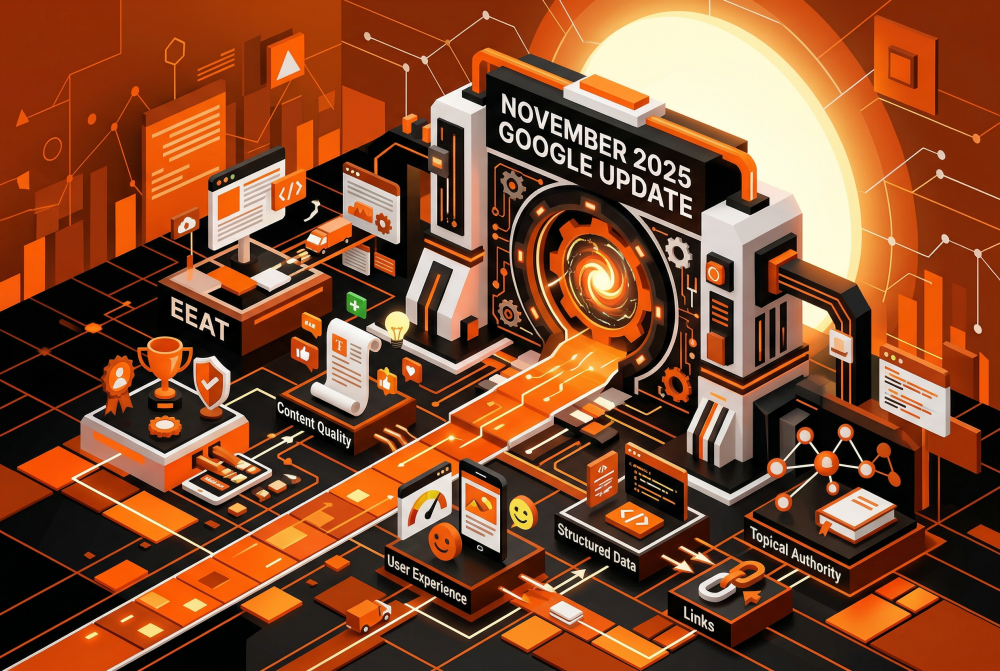
Let us break down what actually happened in Google search, why rankings moved without an official core update, and what it means for your SEO strategy going into December and beyond.
Google Search Ranking Volatility In November 2025
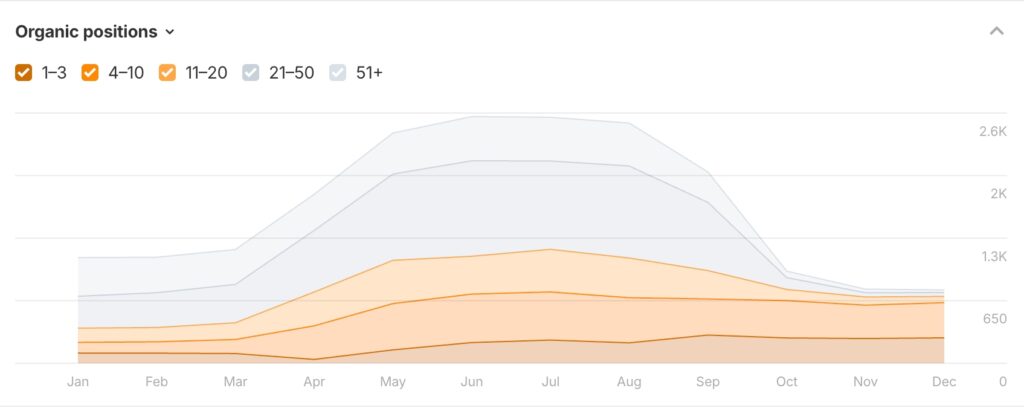
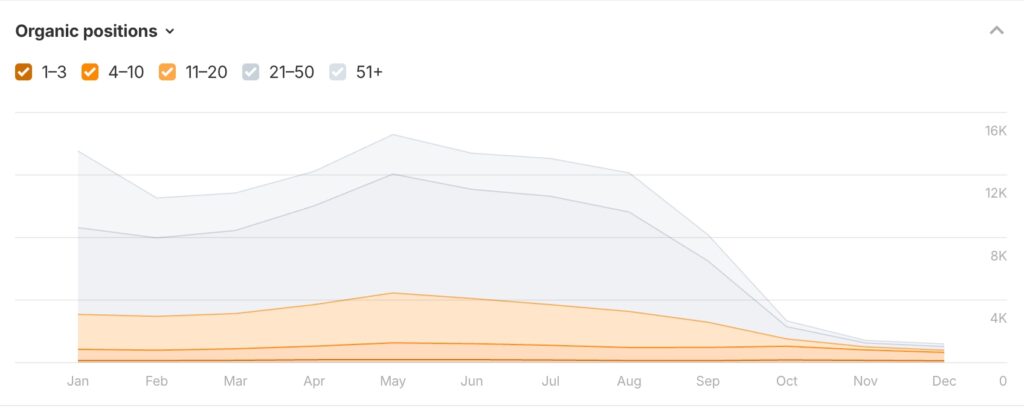
The month began quietly. Then around November 12, the first signs of tremors started appearing in keyword tracking tools. By November 18, the graphs looked like someone had grabbed the algorithm and shaken it like a snow globe.
At SEOBoost, we checked Ahrefs, Semrush, our internal logs, and of course Google Search Console. Every pattern screamed algorithm activity.
But here is the part that confused everyone.
No official core update was posted on the Google Search Central Blog.
No announcement on the search status dashboard.
No mention of a 2025 core update or any November 2025 update.
It was the SEO version of a ghost story.
So what caused the ranking volatility?
Let us map out the likely culprits.
Core Update Confusion And What It Means
Here is the first big truth.
Just because Google does not announce a core update does not mean nothing is happening.
Google makes hundreds of Google algorithm adjustments every year. Some are huge. Some are tiny. Some are so subtle they barely register.
And then there are the awkward middle ones.
The ones that cause real search ranking changes but are not labeled a major core update.
That is what November felt like.
A series of smaller core updates blended together, disguised as everyday fluctuations.
The impact on search was visible, but the communication from Google was silent. Classic.
SEO, Ranking Patterns And What Our Data Showed
When we looked deeper into client performance, we saw consistent patterns.
The volatility hit:
- Informational queries
- Branded search
- Local search
- Affiliate heavy industries
- YMYL categories
- Niche content sites with thin content
In other words, this was not one isolated sector.
This was a wide ripple effect.
Our Search Console insights also showed shifts in query groups, which added more mystery. When query groups in Search Console change classification, your impressions can suddenly look different even if your rankings remain steady.
If you felt that your pages were stable yet your traffic dropped, this might be why.
Google Algorithm Changes Without A Core Update
So what actually triggered the movement?
Here are the factors that most likely contributed to the November 2025 google shake up.
AI Overviews And Search Experience Testing
Google has been adjusting AI Overviews for months. Each test influences what users see first. That alone can cause a traffic drop even when your ranking is unchanged.
When AI takes over the top of the SERP, your click through rate shifts, especially on mobile.
This is not a ranking issue.
This is a search experience issue.
And Google is still shaping that experience.
Structured Data And Schema Interpretation
Another strong signal was a change in how structured data is processed. When your markup is interpreted differently, your appearance in SERPs changes.
This affects:
- Reviews
- Product snippets
- Local search results
- Recipe cards
- FAQ rich results
If you rely on enhanced snippets, even a tiny change can feel like a punch.
Query Groups Reclassification
The new query groups report inside Google Search Console surprised many website owners.
Before November, most people never even looked at query group categorisation. Then suddenly, impressions jumped, dipped or redistributed.
This is not a bug.
It is Google grouping queries based on user intent in new ways.
If your search patterns looked odd, this could be the reason.
E E A T And Content Quality Refinements
2025 has been a year of strengthening content quality metrics.
We saw:
- Weak content losing traction
- Thin content dropping out of search
- Sites with confusing UX falling behind
- Better authority signals rewarded
Nothing new.
But the weight of these signals seems to have changed.
Especially compared to 2024 and even 2022.
These changes align with the helpful content system, even if Google no longer labels it as a separate algorithm.
Local Search And Google Business Fluctuations
If you run a local brand, November might have felt extra chaotic.
We saw:
- Category reassignments
- Map pack reshuffling
- Location based ranking updates
- Inconsistent local search results
These patterns look like a local search tune up, not a full Google core update.
But the effect was still noticeable.
Affiliate Sites And Google Ads Influence
Affiliate sites had a strange month too.
Several industries saw stronger competition from google ads, pushing organic results further down.
This naturally changes clicks, conversions and visibility.
Combined with an unstable search engine environment, affiliates felt the squeeze.
And yes, it felt personal.
Ready to win in a zero-click world?
Let’s boost your visibility, optimise for featured snippets, and keep your brand front and centre, even when users don’t click.
Search Results, Search Types And The Bigger Trend Behind November
If we zoom out, November fits into a much larger shift.
Google is trying to:
- Clean up search results
- Improve user experience
- Give clearer classifications to query groups
- Strengthen authority beyond keywords
- Increase the accuracy of data from google
- Continue the efforts to simplify the search layout
And yes, the trend ties into Google’s larger message.
Stop creating content for search engines.
Start creating content for humans.
They have been saying this since 2024.
And honestly, since 2022.
But the impact SEO practitioners feel in 2025 is much stronger.
Search Console Data And Why It Looked Wild In November
Your search console graphs probably looked like abstract art this month.
And that is not your fault.
Here is why:
New query categorisations changed impression numbers
You may have lost visibility for one query, gained visibility for another, and stayed stable in ranking overall.
Search serving issues affected some results
A few industries saw brief search glitch moments that Google resolved quietly.
AI Overviews stole some clicks
This is the part no one likes to talk about.
Your pages might be ranking the same but receiving different search types
Especially if you target both branded and non branded queries.
So Was There A Core Update In November 2025 Or Not
Short answer. No.
Long answer. It depends on what you call a core update.
There was no official core update.
There was no announcement from Google Search Central.
There was no formal November update.
But the Google algorithm absolutely changed.
The ranking volatility was real.
The shake up was real.
The impact on business owners was real.
And the lack of communication made the situation feel even more dramatic.
Even Barry Schwartz commented on the unusual silence around Google updates this season.
What To Do Now That November Is Behind Us
Here is the part that brings everything together.
You cannot control the algorithm update.
You can control what you do next.
Here is where to focus.
Audit Your Content
Look at:
- Thin content
- Outdated pages
- Duplicate intent
- Weak authority signals
- Pages with unclear user experience
Better content quality is your best long term insurance.
Review Technical SEO
Check:
- Schema
- Core web vitals
- Internal linking
- Search serving
- Mobile experience
Even small errors create big problems during volatile seasons.
Monitor Query Groups
If you have not explored the query groups feature in google search console, this is the time.
Patterns are more informative than individual keywords now.
Watch Your Local Search Results
Look for:
- Category mismatches
- Map pack movements
- Google Business inconsistencies
Local SEO is changing fast.
Check Your Ads Overlap
If Google ads started pushing your organic results lower, you might need to adjust your approach.
This is especially true for ecommerce.
Strengthen User Intent Alignment
Every page must answer one clear intent.
If your content tries to do too much, rankings will slip.
Feeling the Impact of Google’s November Chaos? What Now?
If November 2025 taught us anything, it’s this:
- Google doesn’t need to announce an update to shake things up.
- Rankings can shift without warning, even without an official core update.
- And more than ever, SEO isn’t just about keywords, it’s about clarity, quality, and user trust.
The game has changed. Again.
And while we can’t control the Google algorithm, we can control how we respond.
That means:
- Auditing content regularly
- Watching for query group shifts
- Keeping technical SEO clean
- Staying aligned with E-E-A-T principles
- And optimising for humans, not just search engines
So, if your search ranking took a hit, your Search Console looks like a rollercoaster, or you just need a second pair of (obsessively analytical) eyes, let’s talk.
At SEOBoost, we’ve helped clients stay calm, stay ranked, and stay profitable through more algorithm updates than we can count.
Reach out for a custom audit, a full SEO strategy refresh, or just a chat to make sense of the noise.
We track the volatility so you don’t have to.
Let’s boost your SEO before the next Google surprise hits. Contact us at SEOBoost →
Frequently Asked Questions
1. Will Google change how it reports ranking data in December 2025?
Many SEOs expect updates to google search ranking updates and the search status dashboard as Google continues to simplify the search results page. While nothing is confirmed, December often brings small google updates that quietly adjust how ranking data appears in Google Search Console. These are usually part of Google’s ongoing efforts to simplify the search experience.
2. Can older content from 2022 or 2024 still rank well after November 2025 Google changes?
Yes, older pages can still rank if they offer strong E-E-A-T signals and match modern intent. But many sites with outdated 2022 or 2024 content may feel the impact on search as Google pushes fresher, clearer results. Updating and expanding older posts is one of the best SEO optimisation steps you can take now.
3. Do algorithm updates affect featured snippets differently?
Featured snippets often react faster to an algorithm update than traditional organic listings. If Google made snippet adjustments during the November 2025 google volatility, you may see shifts in visibility even without an official core update. This is normal and depends on how Google rewrites query intent and snippet structure.
4. Are AI Overviews replacing traditional search results?
Not entirely, but AI Overviews can appear above standard results, which changes the user flow. This rarely affects your actual search ranking but can still cause a traffic drop. Google continues to test this layout, and more changes could roll out in December 2025 or during the next core update.
5. How do I optimise for query groups in Google Search Console?
To optimise for the new query groups in google search console, focus on user intent clarity and stronger topical depth. Google uses this structure to categorise queries at scale, and it may influence future google search ranking updates. Reviewing classification patterns can support a more stable SEO strategy during volatility and upcoming google updates.